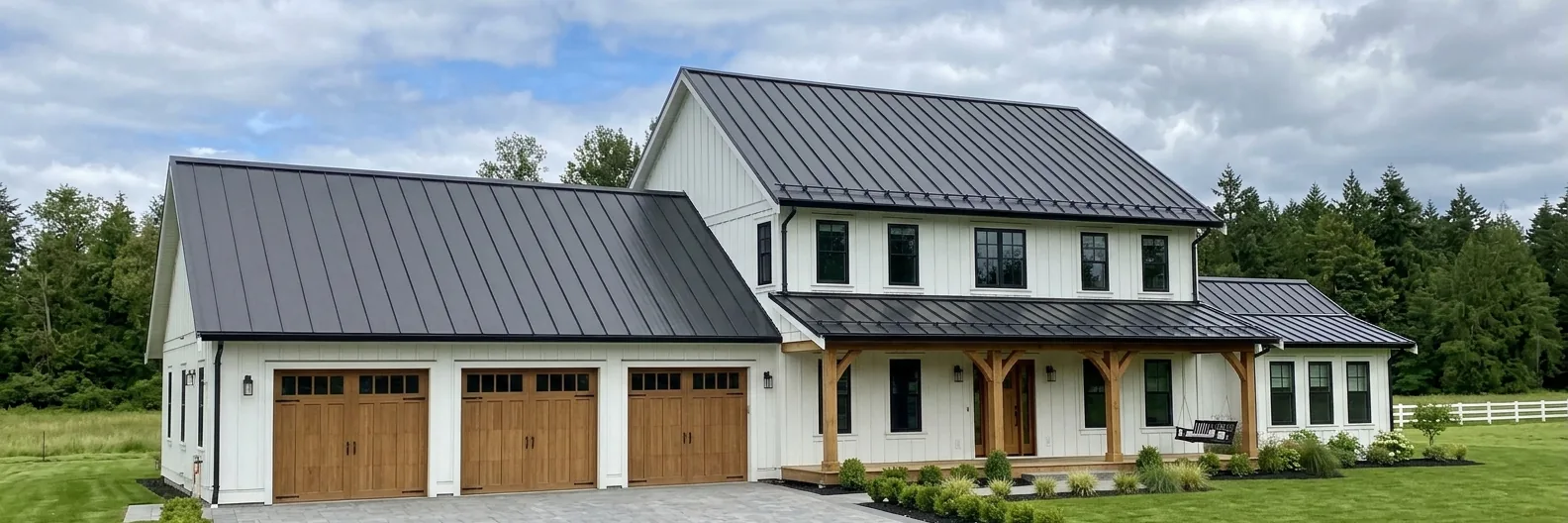
Metal roofing · Standing seam
Standing seam metal roofing
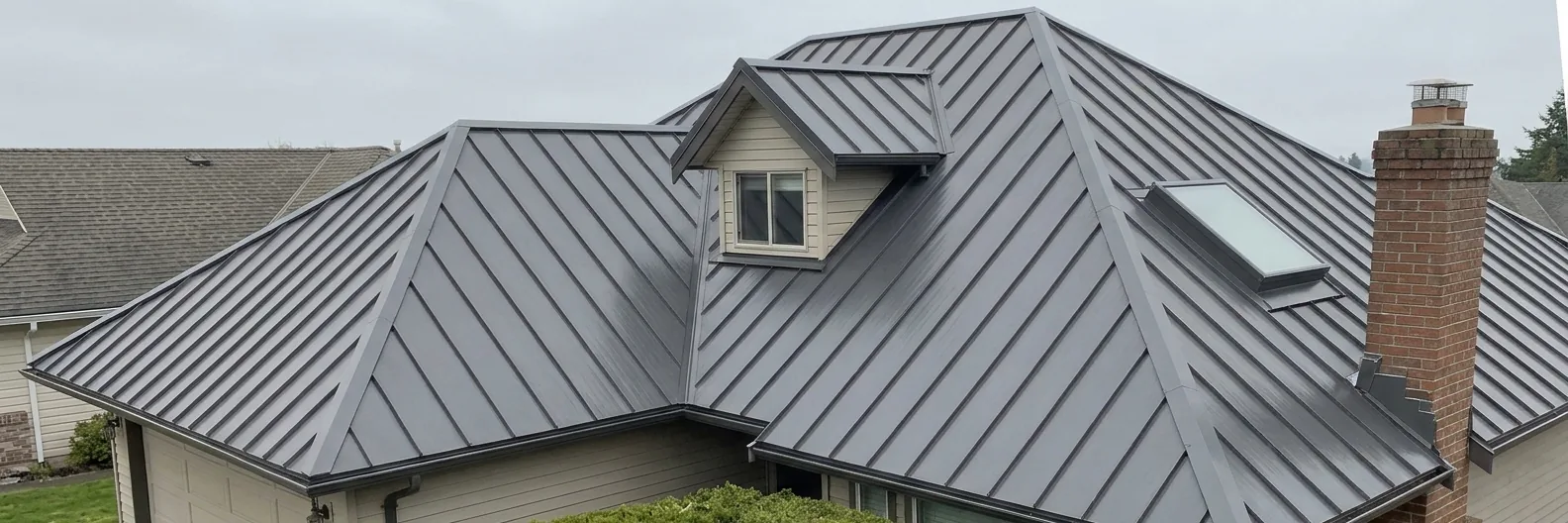
Standing seam is the premium metal roof: long panels joined at raised seams, fastened to the deck with clips hidden under the seam so no screw ever sits in the weather. Panels are roll-formed to the length of each slope, so a typical house roof has no horizontal joints at all. It is the system we install most on homes, and the one that makes the most sense for a roof you intend to keep for decades.
- Lifespan
- 40 to 70 years
- Gauge
- 24 ga steel is the standard for houses
- Finish
- PVDF (Kynar 500 type)
- Seam
- snap-lock or mechanically seamed
Panels from BC and Canadian manufacturers such as Westform Metals, Vicwest, Fraser Valley Metal Rolling, Agway Metals.
Strengths
What it does well
- No exposed fasteners, so nothing to back out, rust or reseal
- Panels in one piece from ridge to eave: no laps to leak
- Clips let the metal expand and contract through 40 degree swings
- PVDF finishes carry 20 to 40 year film warranties
- Class A fire rating, the top FireSmart recommendation
- Works down to 2:12 with the right seam and sealant
Trade-offs
What to weigh up
- The highest material and labour cost of the metal systems
- Needs a skilled crew: seaming, hems and flashings are the whole job
- Oil-canning (slight waviness) is normal on wide flat pans unless striations or ribs are added
- Walking on it for future work needs care
In our climate
Why standing seam suits the coast
The Lower Mainland's problem is not heat or hail. It is nine months of rain, moss on every shaded slope and the occasional wet snow that slides. Standing seam handles all three: water has no fastener holes to find, moss has no granules or laps to root in, and snow that does build up either slides on a steep roof or stays put behind snow guards on a lower one.
On the coast itself, from West Vancouver round to White Rock, salt in the air shortens the life of bare cut edges on steel. There we recommend aluminum panels, which cost more but do not rust, or steel with a PVDF finish and sealed, hemmed edges kept well away from breaking surf. Paint warranties exclude surf-side exposure, so an honest quote near the water will say so.
Price
Priced for your roof
Pitch, shape, what comes off and how we reach the roof all move the price, so every roof is measured before we quote. For a number now, outline yours on the satellite map.
Specification
- Steel
- 24 gauge Galvalume, PVDF paint
- Aluminum
- 0.032 in, PVDF paint, for salt air
- Panel widths
- 12 to 18 in, striated or flat
- Fastening
- concealed clips or nail flange
- Underlayment
- high-temperature synthetic over the whole deck
Questions
Standing seam metal roofing questions
What gauge should a standing seam roof be?
24 gauge is the standard for houses and what we install. 26 gauge standing seam exists and costs less, but it oil-cans more and dents more easily. Aluminum panels are specified by thickness rather than gauge; 0.032 inch is typical for roofing.
What is the difference between snap-lock and mechanically seamed?
Snap-lock panels click together over a clip and suit slopes of 3:12 and steeper. Mechanically seamed panels are crimped closed with a seaming tool, which makes them tighter in wind and usable on low slopes down to about 2:12, at a higher labour cost. We choose by pitch and exposure.
What is oil-canning and can it be avoided?
Oil-canning is the slight waviness you can see on wide flat metal pans in raking light. It is cosmetic, not a defect, and every manufacturer's warranty excludes it. Striated or pencil-ribbed panels, narrower pans, heavier gauge and a flat deck all reduce it, and we recommend striations on most houses.
How much more is standing seam than shingles?
Roughly double up front: $13 to $22 per square foot against $5.50 to $9.50 for architectural shingles. Against that, it lasts two to three times as long, needs no moss treatment and rarely needs repair, which is why it comes out ahead for a house you plan to keep.
Compare
Other metal systems
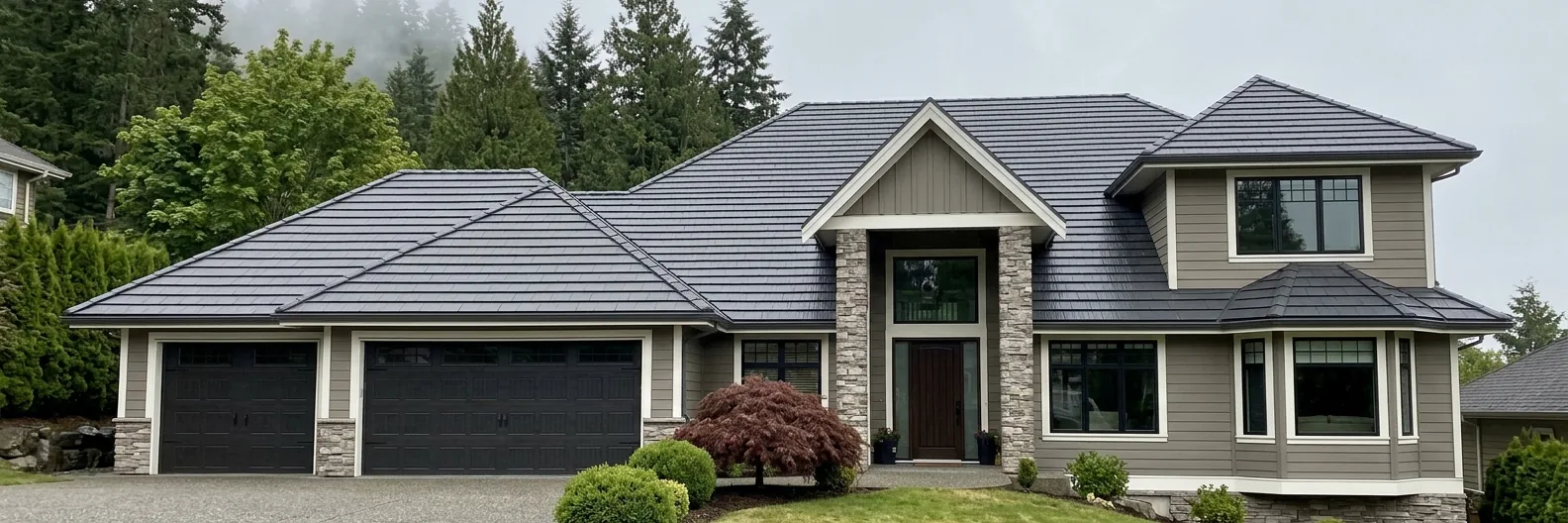
Metal shingles and tiles
Lasts 40 to 60 years
See details →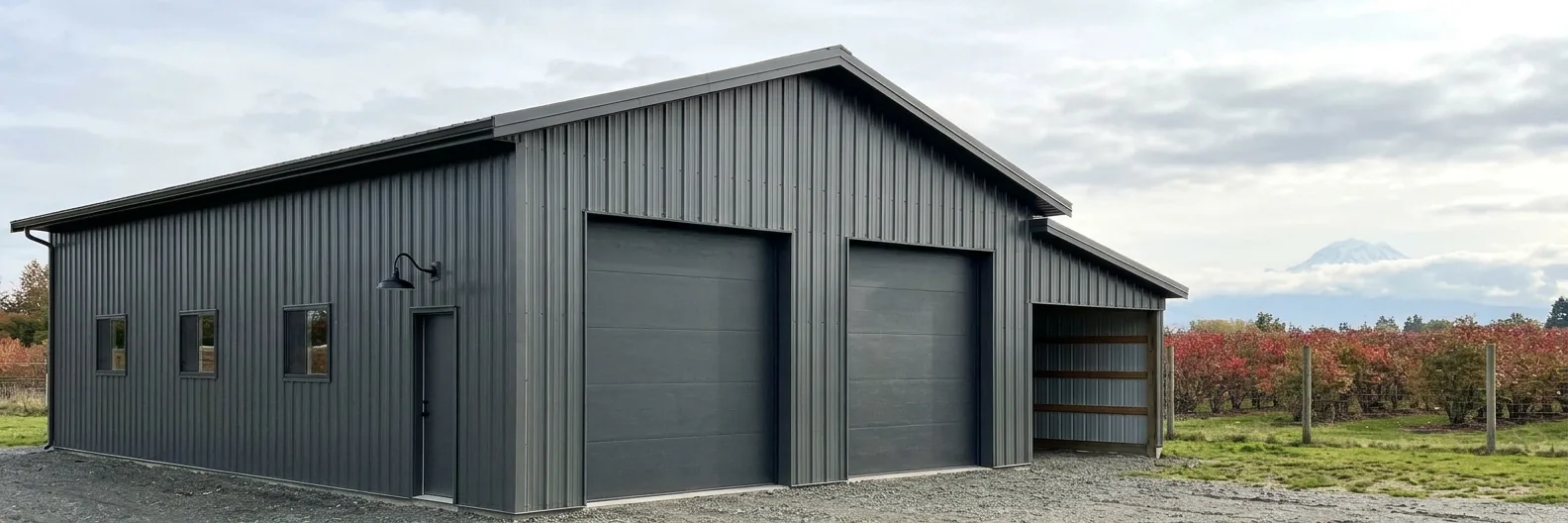
Exposed-fastener and corrugated panels
Lasts 30 to 50 years, with fastener checks
See details →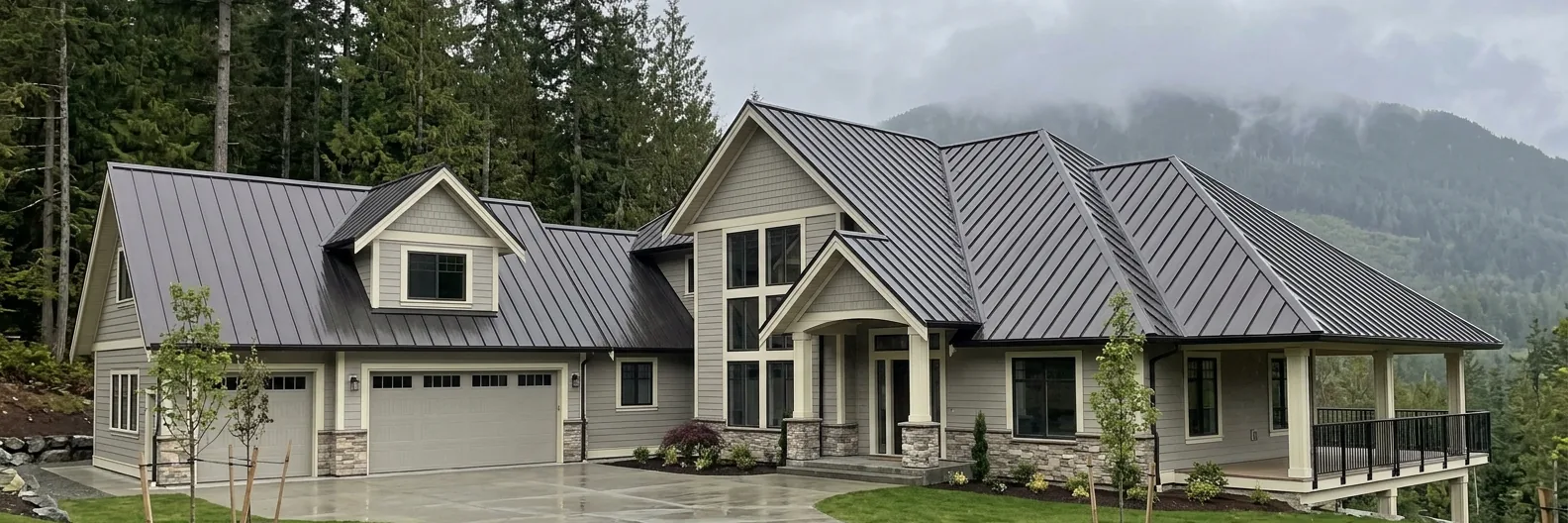
Aluminum, copper and zinc roofing
Lasts 50 to 100+ years
See details →Related services
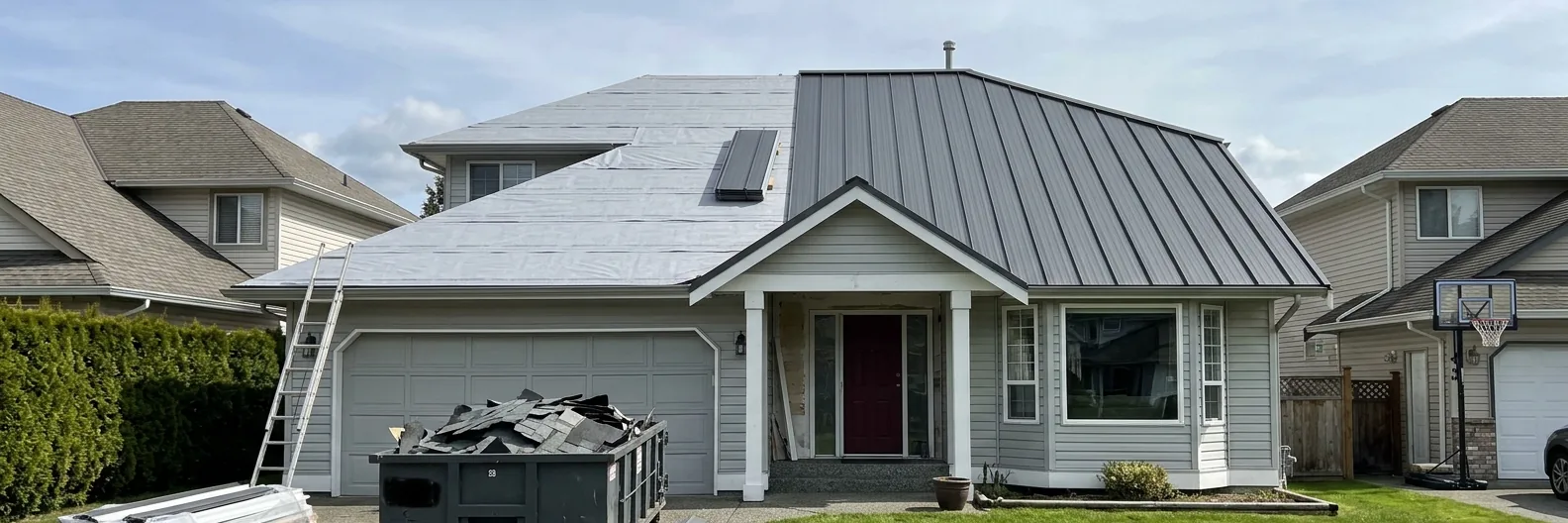
Replace shingles or cedar with metal
Tear-off, deck repairs, new underlayment, flashings and a metal roof system on a house that had shingles, cedar shakes or torch-on.
See details →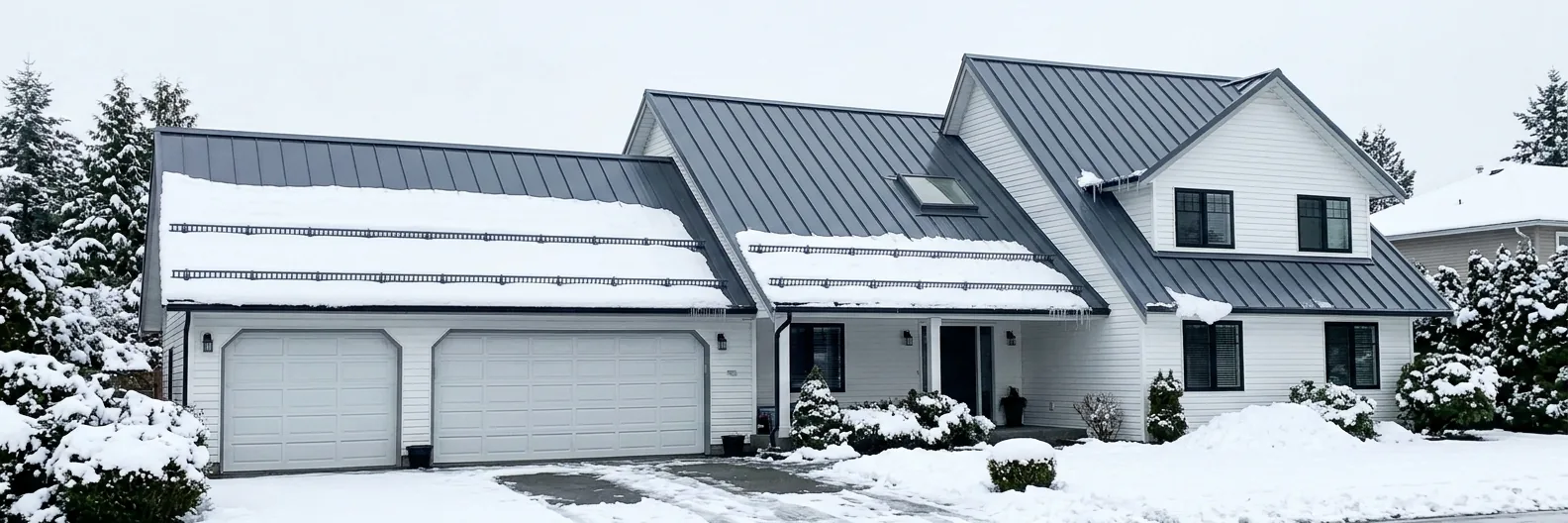
Snow guards, skylights and roof accessories
Clamp-on snow retention, skylight curbs and flashings, solar-ready mounts, ridge caps and all the metal details that make the roof complete.
See details →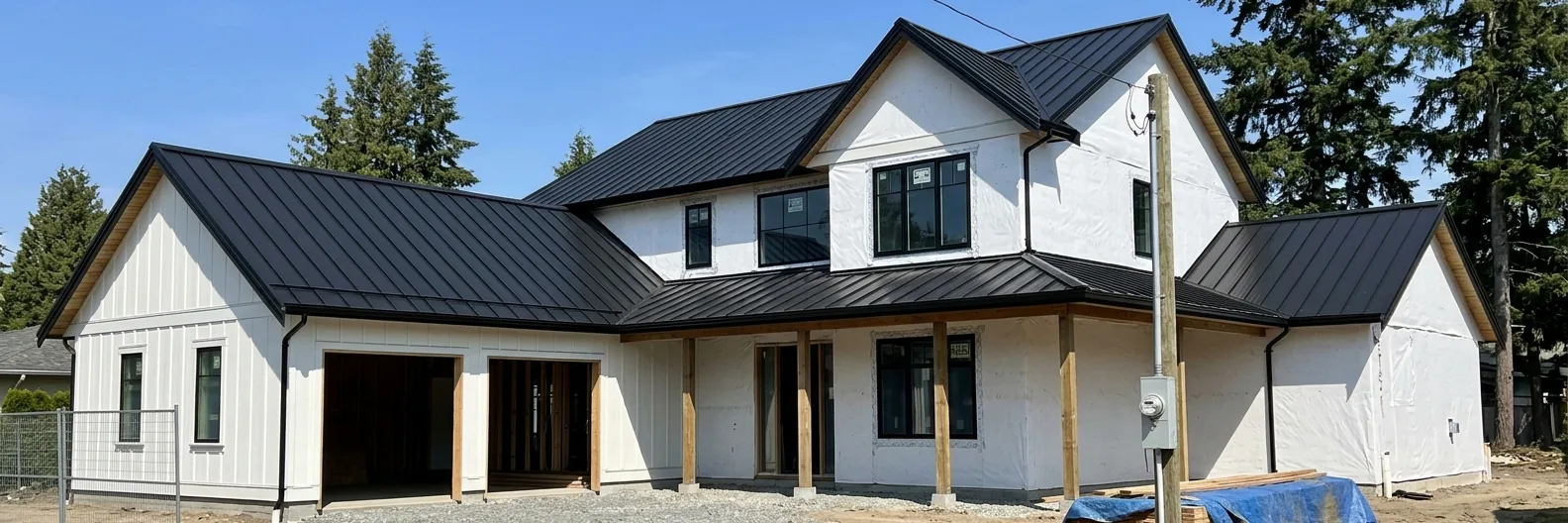
New construction and additions
Metal roofs and siding on new houses, laneway homes, garages, shops, barns and additions, coordinated with your builder from the framing stage.
See details →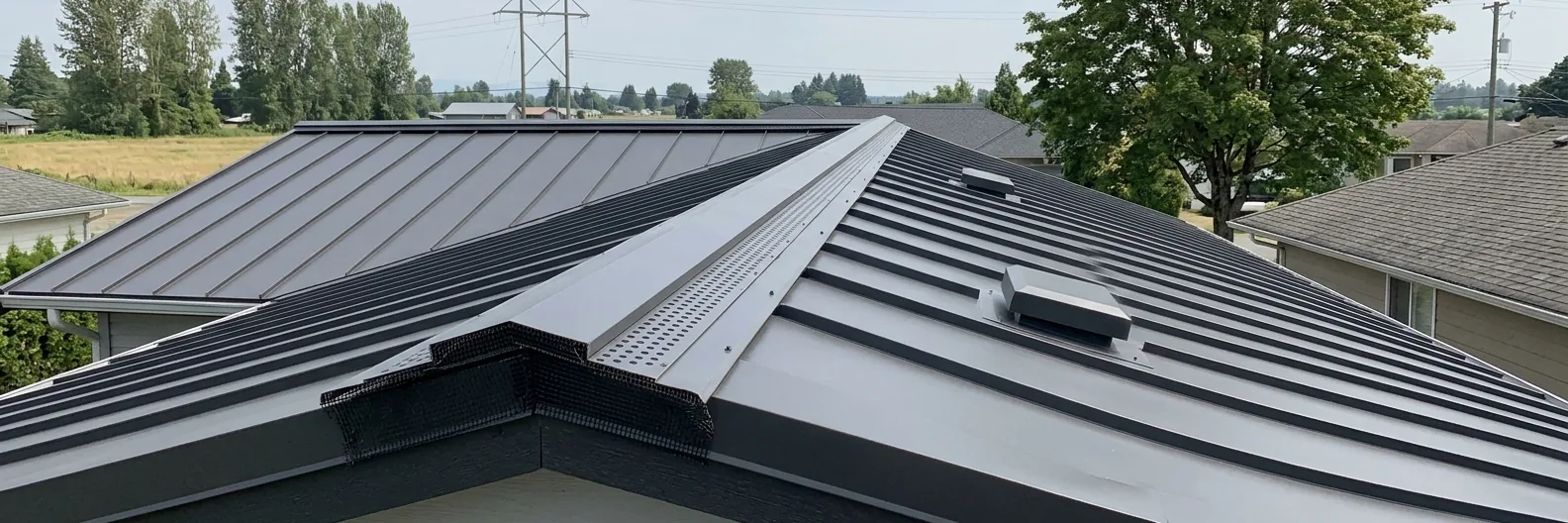
Roof ventilation and condensation control
Ridge vents, vented soffit, vapour barriers and anti-condensation underlays, so a metal roof stays dry from below as well as above.
See details →Guides
How much does a metal roof cost in BC's Lower Mainland?
Metal roof prices in Metro Vancouver and the Fraser Valley in 2026: standing seam, metal shingles and corrugated per sq ft, whole-roof budgets and extras.
Read →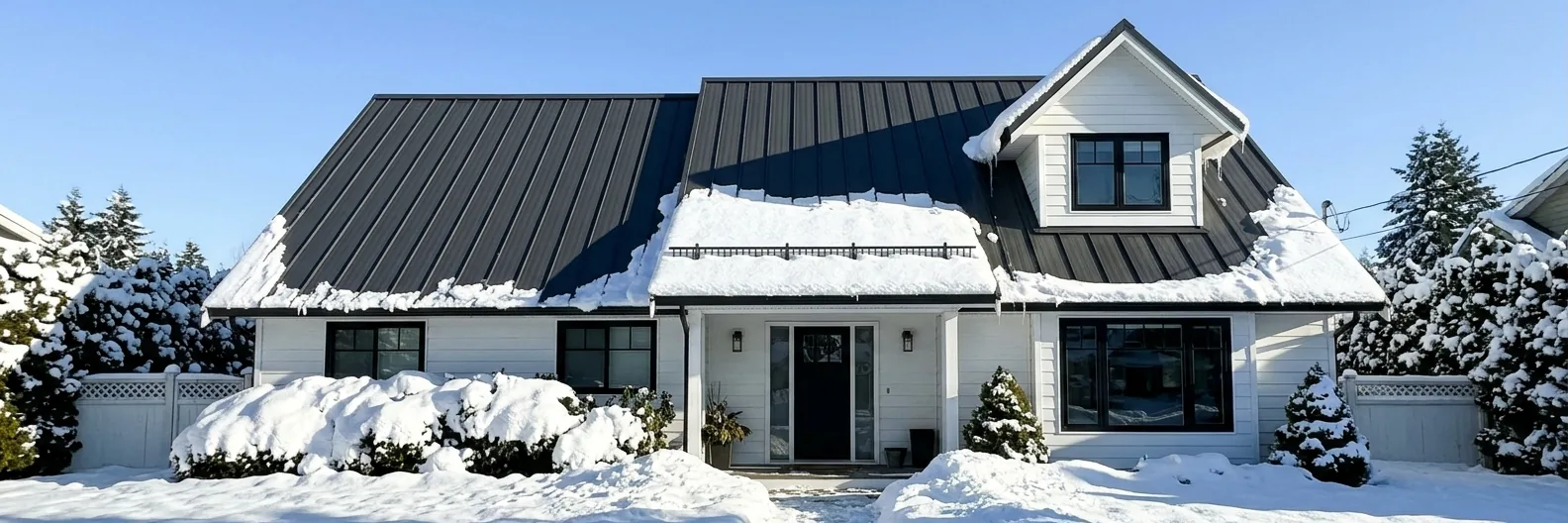
Snow on a metal roof: slides, snow guards and ice at the eaves
Why snow slides off metal roofs, where snow guards must go, what clamp-on systems do that stick-on pads don't, and how ventilation stops ice at the eaves.
Read →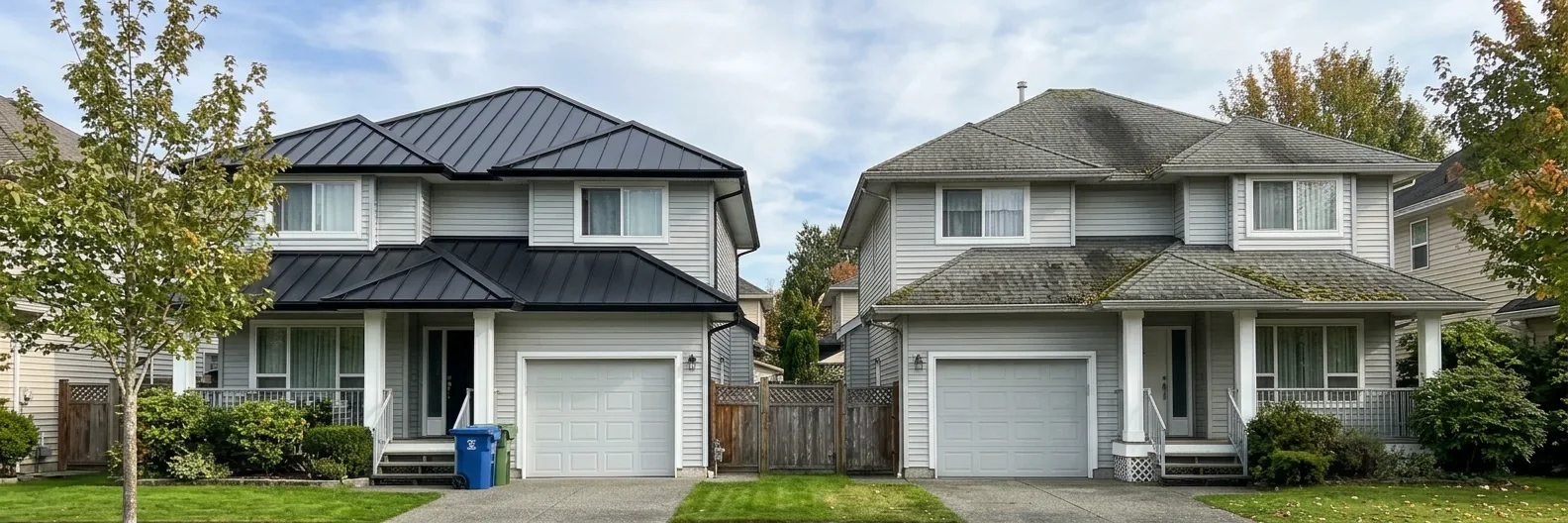
Metal roof vs asphalt shingles in BC: cost, lifespan and what matters here
Metal roofing against architectural shingles for a Lower Mainland house: installed cost, lifespan in our rain, moss, fire rating and when shingles still win.
Read →Thinking about standing seam?
Free in-person measure, written quote, no pressure after.